
Why Crisis Planning Should Be at the Top of Your 2026 To-Do List
As all companies start planning for 2026, these conversations often focus on growth goals, budgets, campaigns, and new initiatives. However, there’s one item that should sit firmly at the top of every organization’s list and its crisis preparedness.
Crisis doesn’t discriminate by industry, size, or mission. Whether you’re a for-profit company navigating market pressures or a nonprofit managing donor trust and limited resources, the reality is the same: it’s not a matter of if a crisis will happen, but when. Organizations that plan for crises early are the ones that respond with clarity and confidence when it matters most.
At Dala Communications, we work closely with both for-profit and nonprofit organizations in navigating crisis communications, and the challenges we see are remarkably similar. Leadership teams are stretched thin, communications teams are often reactive rather than proactive, and crisis planning is frequently postponed in favor of more immediate priorities. Unfortunately, waiting until a crisis hits is already too late.
Lessons From the Front Lines of Crisis Response
This past year, I had the opportunity to speak at both the Apartment Innovation and Marketing Conference (AIM) Conference and the North Texas Nonprofit Summit to share the front-row seat stories I’ve witnessed over two decades, and how I’ve helped navigate communications and crisis prepositioning for clients in for-profit and nonprofit industries.
When Crisis Calls: You Are Not Alone
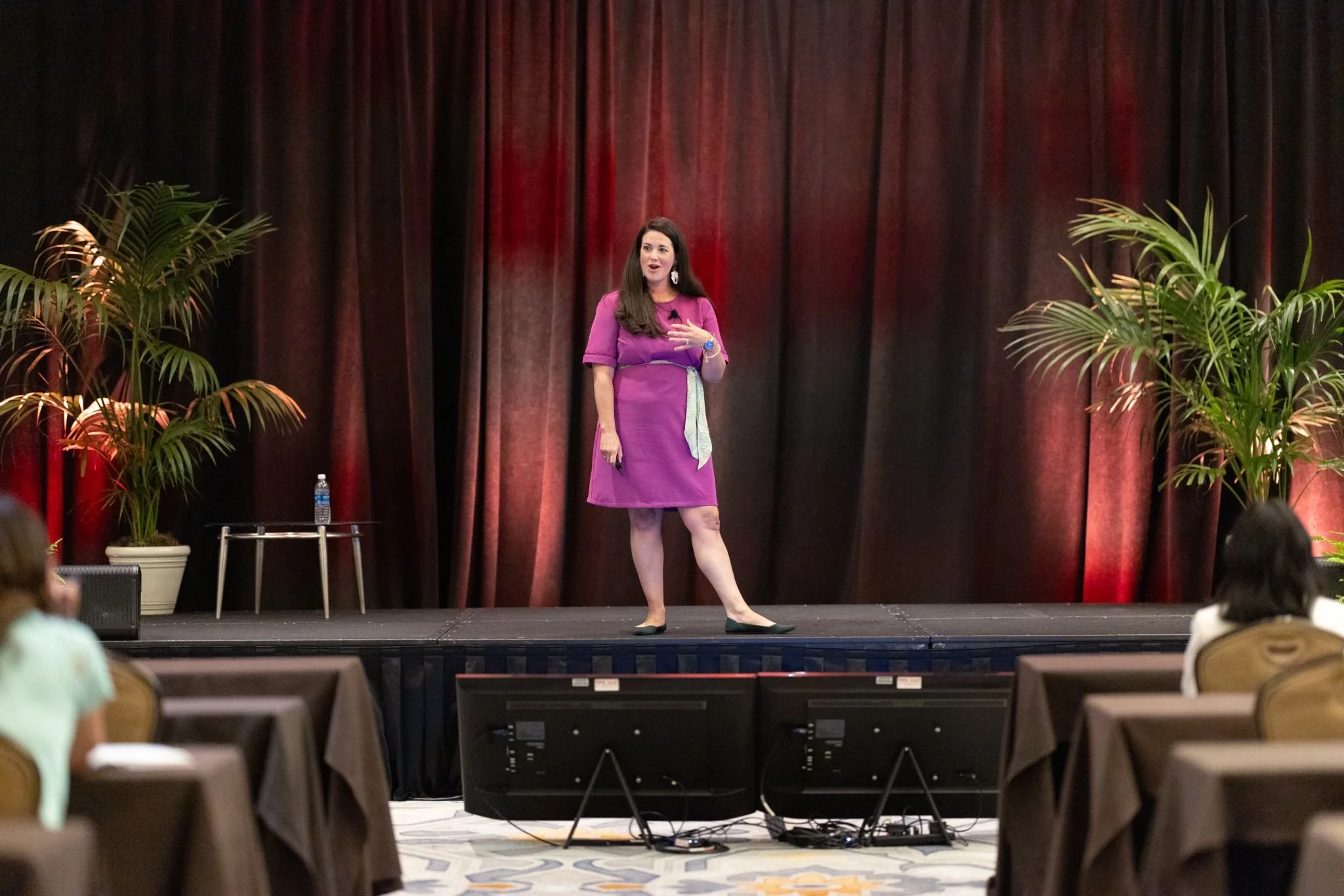
Leah Williams, APR, speaking at the AIM (Apartment Innovation & Marketing) 2025 Conference, discussing proactive crisis communications strategies for building resilient multifamily properties
At AIM, I drilled down on preparing for the moments multifamily owners and developers hope never come. We discussed real-world scenarios where leaders were forced to make high-stakes decisions under pressure, often without a clear plan in place. Leadership teams, spokespeople, and internal stakeholders have to understand their roles long before an issue escalates. The organizations that handle crises the best aren’t scrambling to decide who speaks or what to say; they’ve already aligned on values, messaging, and response protocols with a clear chain of command.
That same message carried through my nonprofit conference presentation, where the stakes often include donor confidence, community trust, and mission continuity. Nonprofits face a heightened level of scrutiny, making proactive crisis planning not just a communications exercise, but a mission-critical responsibility. Strategic thought leadership should be at the frontline of each nonprofit’s playbook to ensure they are ready to face the next time of uncertainty head on whether it’s a leadership change or change in mission.
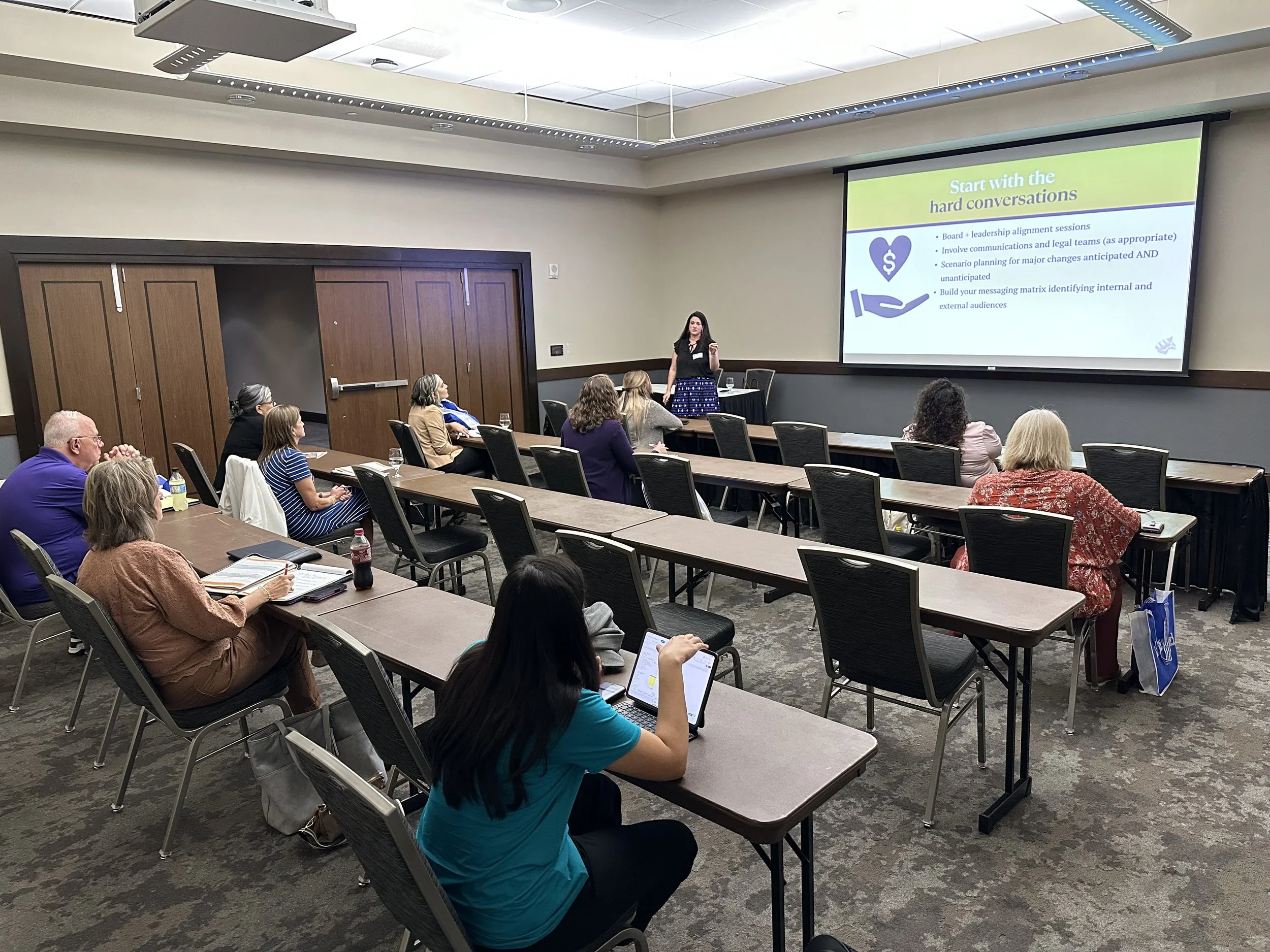
North Texas Nonprofit Summit 2025
Leah Williams, APR, discusses the importance of her crisis communications strategy for nonprofits: Always Be Positioning
The key thing across all industries remains the same: crisis response is strongest when the groundwork has already been laid.
Making Crisis Planning a 2026 Priority
As you plan for 2026, crisis preparedness shouldn’t be treated as a “nice-to-have” or a document that sits on a shelf. It has to be part of your annual planning, and something that is revisited, tested, and reinforced through training at all levels of your organizations with each media training session tailored accordingly.
The strongest organizations approach crisis planning with intention by first identifying potential risks specific to their industry and operations. They establish clear internal decision-making structures and invest in training leaders and spokespeople before they are under pressure. Just as importantly, they align their crisis response with their core values and long-term reputation goals. They understand that crisis planning isn’t about fear but about readiness.
Plan Now, So You’re Ready Later
The start of a new year is the ideal time to build or refresh your crisis plan, align your leadership team, and ensure your organization is prepared for whatever 2026 may bring. If your organization hasn’t reviewed its crisis strategy recently (or doesn’t have one in place) now is the time and the Dala team can help get you there.
With two decades of crisis communications experience training everyone from the C-suite and executive boards to managers and new hires, Dala Communications has helped our clients not only survive their next crisis but help them emerge stronger. Contact us to schedule a crisis training or planning session for 2026, and take a proactive step toward protecting your company, people, reputation, and mission before crisis calls.